

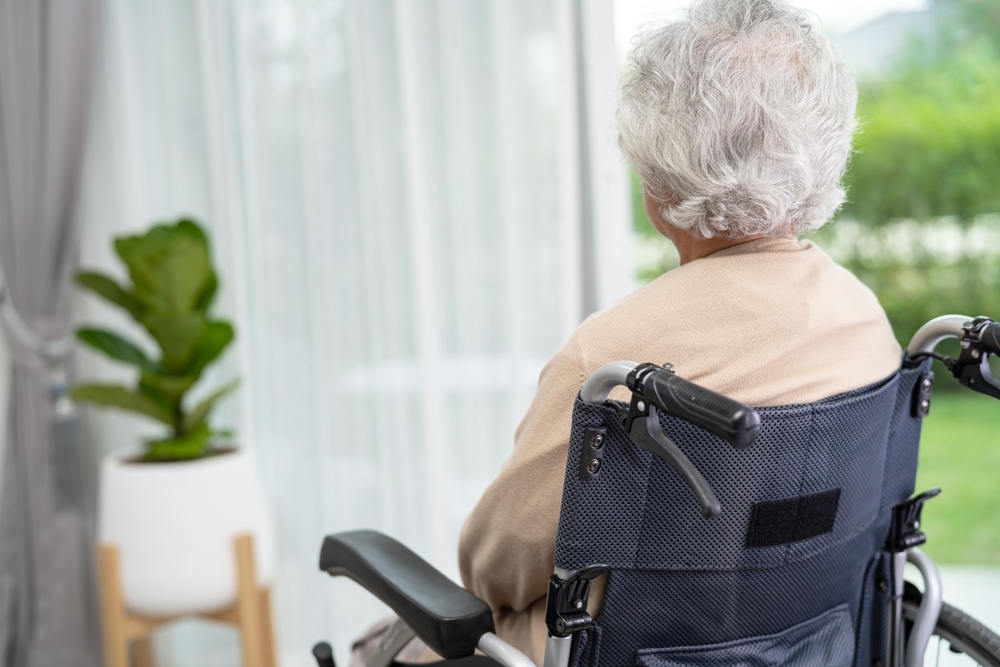
When you place a loved one in a nursing home, you do so with trust. You expect they’ll be treated with dignity, compassion, and professional care. But for many families, that trust is broken. Neglect in long-term care settings isn’t always obvious. The signs can be subtle, and the consequences serious. Knowing what to look for, and what to do if something feels wrong, can make all the difference.
At Lipari & Deiter, we help families across South Jersey hold negligent nursing homes accountable and protect the rights of those who cannot always speak for themselves.
Why This Matters Now in South Jersey
Concerns about nursing home neglect often surface during holiday visits or routine check-ins, when changes in staffing, supervision, or resident behavior are easier to notice. Whether caused by chronic understaffing, high turnover, or seasonal disruptions, care gaps often become more visible during these visits.
Recent reports from state agencies and advocacy organizations show a significant rise in complaints. The State Long-Term Care Ombudsman’s office has recorded a sharp increase in formal grievances. If your loved one is in a nursing care facility and something seems off, you are justified in asking questions, documenting concerns, and taking action.
Similar Post: Do I Have a Personal Injury Case in South Jersey? 5 Signs You Should Call a Lawyer
What Nursing Homes Owe Residents in New Jersey
Under New Jersey law, specifically the Nursing Home Responsibilities and Residents’ Rights Act, N.J.S.A. 30:13-1 et seq., facilities must provide a safe living environment, competent medical care, appropriate supervision, and protection from abuse or neglect.
When a facility fails to meet these obligations through understaffing, skipped repositioning of bedridden patients, medication errors, or ignored hazards, the resulting harm can be severe. Common harms include bedsores, falls, infections, dehydration, and, in the most catastrophic cases, wrongful death. Recognizing the warning signs early helps you protect your loved one, gives you time to document problems, and preserves your legal rights.
7 Warning Signs Your Loved One May Be Experiencing Neglect
Here are key red flags you should not ignore. If you notice one or more of these in your loved one’s nursing home environment, it is time to take action:
Unexplained injury or fall
If a resident falls without a clear cause, or the facility fails to report the incident, this may indicate unsafe supervision and can result in fractures, head trauma, or spinal injury.
Bedsores or pressure ulcers
Pressure ulcers are largely preventable when mobility, hygiene, and nutrition are properly managed. Rapidly worsening sores, especially with signs of infection, often point to neglect.
Sudden weight loss, dehydration, or malnutrition
Missed meals, inadequate fluids, or failure to assist residents who cannot feed themselves can lead to malnutrition and dehydration, and are common indicators of deficient care.
Medication errors or unexplained sedation
Overmedication, missed doses, incorrect mixing of medicines, or failure to administer prescriptions can cause dizziness, decline, or increased fall risk and may reflect staffing or oversight failures.
Behavioral changes: withdrawal, anxiety, fear of staff
Emotional and psychological changes such as fear of caregivers, withdrawal from activities, or sudden anxiety can signal neglect or abuse and may support a negligence claim.
Unsanitary conditions or poor hygiene
Strong odors, unchanged linens, unattended wounds, or neglected grooming point to systemic care failures and increase infection risk.
Lack of communication or unexplained worsening of condition
When staff do not inform you about injuries, medical changes, or a worsening condition, the facility may be avoiding accountability. Lack of transparency is itself a warning sign.
Recognizing these signs does not mean you are jumping to conclusions. It means you are doing what any caring family would do: observing, validating your concerns, and preparing to act if needed.
What to Ask During Your Next Visit
When you visit your loved one in a New Jersey nursing home, having a few prepared questions can help you uncover possible neglect early. Ask:
- How often was my loved one repositioned today or this week?
- Who assisted with meals and snacks, and were any refusals recorded?
- Has a fall incident report involving my loved one been filed in the past 30 days?
- What is the staff-to-resident ratio during evening and overnight hours on this unit?
These questions may prompt candid responses and flag patterns of neglected care.
What To Do If You Spot Warning Signs in a South Jersey Facility
Taking prompt, practical steps increases your loved one’s safety and protects your family’s rights. Here is how to respond:
- Document everything. Photograph injuries, wounds, bedsores, and unsafe conditions. Note dates, times, and who you spoke with.
- Request records promptly. Ask the nursing home administrator for care notes, incident reports, medication charts, staffing rosters, and dietary logs. Put requests in writing when possible.
- Speak with staff and supervisors. Ask direct, respectful questions and request written responses where appropriate.
- File a formal complaint. You may submit a written complaint to the facility and to the New Jersey Department of Health. The State Long-Term Care Ombudsman can also assist with advocacy.
- Consult a South Jersey nursing home negligence lawyer. Early legal review protects rights and preserves evidence. Lipari & Deiter offers confidential, no-cost case reviews to explain options and next steps.
Why Choosing the Right Lawyer Matters in South Jersey Nursing Home Negligence Claims
Nursing home negligence cases involve complex medical records, long-term care practices, and multiple potential defendants. Insurers often mount aggressive defenses. At Lipari & Deiter, we investigate early, coordinate with medical experts, and prepare cases for trial so families are protected regardless of how a facility responds.
What Families in South Jersey Often Ask & What to Keep in Mind
1. My loved one is in a nursing home and seems fine; should I worry now?
If you observe any of the warning signs above, you should. Early identification of neglect improves outcomes and strengthens legal positioning.
2. Does the nursing home know about the injury already?
Facilities may delay reporting, attribute injuries to “normal decline,” or suggest they are unavoidable. That’s why documentation and early legal review matter.
3. How long do I have to file a nursing home neglect claim in New Jersey?
In many New Jersey nursing home negligence and personal injury claims, the statute of limitations is two years from the date the injury was, or reasonably should have been discovered. Elder-care cases can present unique issues, such as delayed discovery or resident incapacity, that may change deadlines. Speak with a nursing home negligence lawyer as soon as possible. They can clarify your filing deadline and help preserve time‑sensitive evidence such as photos, care notes, and incident reports.
Take the Next Step: Protect Your Loved One And Your Rights
If you believe your loved one is at risk, the most important thing is to act quickly and calmly. In a free, confidential consultation, we will listen to your concerns, review the warning signs you’ve documented, and explain the practical next steps available to protect your family and preserve evidence. Typical preparation for a first meeting includes dates and descriptions of incidents, photos, any incident reports you requested, and the names of staff you spoke with.
Lipari & Deiter handles these matters on a contingency basis, so there is no upfront fee for families seeking representation. If you decide to move forward, we will coordinate medical review, collect necessary records, and advocate for your loved one at every stage.
Contact us at 609.905.4701 or complete our online contact form to schedule your complimentary consultation. Your loved one deserves quality care, and you deserve the reassurance that comes from having experienced legal advocates by your side.
Disclaimer: The articles on this blog are for informative purposes only and are no substitute for legal advice or an attorney-client relationship. If you are seeking legal advice, please contact our law firm directly.